
Significant moments of celebration are treasures that we take with us into future seasons. For those of us who are parents, we remember with fondness the day our bundle of squishy love arrived. Wedding day, graduation day, even leaving home, these are all moments in our lives that we can hold as treasured memories.
Our family arrived in Te Awamutu in 2015 with trepidation and faith, confident we were following God’s call even though it didn’t feel comfortable. The photos of our commissioning service show less-than-impressed expressions on the faces of our (then) teenage children! As the new leaders of North End Church, as it was known, we sought to connect with the community and build a family environment. Like all families, we had seasons of laughter, tears, angst, division, new life, funerals, and celebration. A true family embraces every season and gathers together around the certainty that God builds family through every kind of season.
As Kathy and I embark on our next assignment of faith, we step again with trepidation and confidence in God. Stepping away from our church family while we seek greater clarity, we will miss the regular family engagement in worship and meals. But stepping away is also part of the work God is accomplishing in us all through this season.
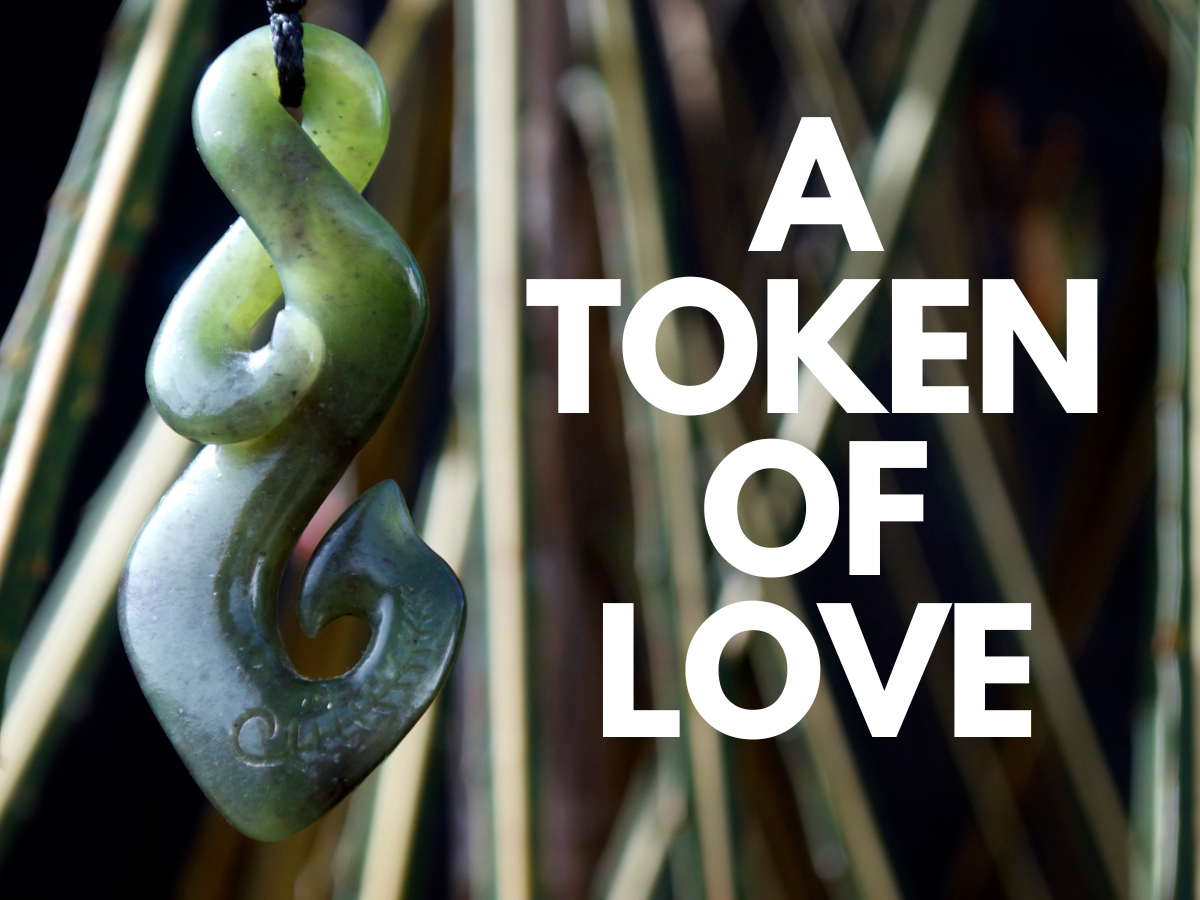
The personal gifts of pounamu presented to us by our church family are treasures, representing the powerful bond of deep family connection that has been forged through life and love, sacrificial service, and shared faith. ‘Wairua’ is the spirit or essence of a relationship, and the giving of a pounamu as a gift expresses the value of the connection, thereby establishing it as ‘taonga;’ a sacred treasure, with deep spiritual and cultural significance.
As taonga, it’s more than just a material object; it’s a symbol of heritage, identity, and connection to ancestors and the land. This makes a pounamu gift a token of love, binding the giver to the recipient as whānau. It speaks of identity in the same way Israel prophesied over the twelve tribes. It speaks of heritage ensuring the continutation of God’s promises across generations. It represents whanaungatanga, a relationship through shared experiences and working together which provides people with a sense of belonging.
This kinship invokes a mutual commitment to the betterment of all—two-way, other-centred love that brings with it a responsibility to strengthen the other members of the kin. This is kingdom family the way God intended it to be.
Today as I wear my pounamu around my neck, I feel its weight against my chest. It sits over my heart, a constant reminder of those I am bound to in love, committing me to serve the accomplishment of God’s purposes in us all, and always celebrating life together.
Phil Strong